


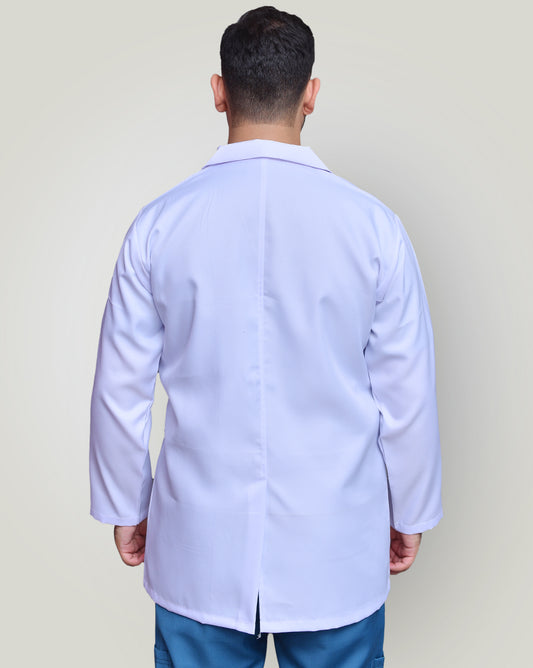


Doctor Scrub Troubles in Pakistan and How to Fix Them

Ask any doctor what bugs them most about their workday and uniforms come up faster than you'd expect. Doctor scrub troubles aren't some minor annoyance you shrug off. They shape how you move, how much you sweat and how confident you feel by hour ten of a twelve-hour shift, especially when the OT runs long and the AC has given up for the day. Here's the thing: most scrubs sold here were designed for someone else's climate, someone else's body and someone else's shift length. That mismatch is exactly why so many doctors quietly swap brands every few months, hunting for something that just works. This guide walks through the real doctor scrub troubles doctors across Pakistan deal with on a daily basis and what genuinely fixes each one.
Why Scrubs Matter More Than a Simple Uniform
Scrubs aren't just clothes you throw on before rounds. They're working gear. The UK's British Medical Association has openly debated whether doctors should return to white coats or stick with scrubs and one point kept resurfacing: identifiable, hygienic clothing builds patient trust almost as much as it protects the wearer. Pakistan's hospitals run on the same logic, just with sharper heat, dustier wards and far less reliable air conditioning.
Good hospital uniforms do three jobs at once: they protect, they identify and they support. Comfortable scrubs let a doctor focus on the patient in front of them instead of their own collar. When any of that breaks down, you feel it within the first hour of a shift.
The Doctor Scrub Troubles Every Pakistani Doctor Recognizes

These are the complaints that show up again and again, whether you ask a med student on their first surgical rotation or a consultant twenty years into practice.
1. Scrubs That Were Never Made for Your Body
Pakistani body types vary hugely, yet most scrub racks still stock three sizes and call it done. The result?
- Shoulders that pull with every reach
- Trousers that bunch at the ankle
- Waistbands that dig in after a long OPD sitting
Ill-fitting scrubs don't just look sloppy; they slow you down exactly when you need speed. If sizing is your biggest headache, Medfit offers a complete range of different sizes from extra small (XS) to extra extra large (XXL). Our breakdown of modern fit vs classic fit medical scrubs is worth a read, or skip straight to Made to Measure scrubs built around your own measurements.
2. Fabric That Can't Handle Summer’s Heat
In the summer, wearing cheap polyester is impossible. Thick, non-breathable fabric traps heat against your skin through ICU rounds, OT marathons and back-to-back OPD slots.
- Constant, distracting sweat
- Stickiness that doesn't let up
- Fatigue that builds with every passing hour
Breathable scrubs solve this at the fabric level instead of masking it. Our guide on the best summer scrubs for doctors in Pakistan covers which fabrics actually breathe and the Flexfit Unisex Doctor Scrubs were built with exactly this problem in mind.
3. Scrubs That Give Up After a Month of Washing
Hospital hygiene rules mean scrubs get washed daily, sometimes twice. Low-quality scrubs simply can't survive that routine.
- Colour fades within a few weeks
- Seams loosen near the pockets first
- Fabric thins until it's nearly see-through
That matters because doctors end up replacing scrubs every few months instead of every couple of years. Durable scrubs cost more upfront, sure, but they save money over time. Our piece on the top medical scrubs for daily hospital use digs deeper into what actually holds up.
4. Scrub Pockets That Can't Hold Anything
Doctors carry a small pharmacy in their pockets: pens, a torch, gloves, maybe a stethoscope. Weak stitching means all of it ends up on the floor sooner or later.
- Pockets tear within weeks of regular use
- Phones slip out mid-round
- Bulky, badly placed pockets ruin the fit of the whole top
Reinforced scrub pockets that hold their seams make a night-and-day difference here. Browse our medical accessories range if you need extra storage that doesn't depend on the scrub top alone.
5. Fabric That Itches, Rubs and Irritates
Rough, synthetic fabric against skin for ten-plus hours can result in rashes, especially around the neck and underarms.
- Heat rashes in humid weather
- Constant fidgeting and adjusting mid-shift
- A distraction you really don't need during patient care
Comfort here isn't a luxury; it's a basic requirement. If you've never tried jogger-style scrub pants, our piece on Jogger Scrub Pants explains why so many doctors have switched and the best women scrub options cover softer fabric picks, too.
6. The Same Boring Cut for Every Department
A surgeon, a paediatrician and an ER doctor have different needs, yet most brands offer one cut and call it a day.
- Surgeons usually need more pocket space
- General physicians often prefer a slimmer, lighter fit
- Almost everyone wants colour options that don't scream "hospital issue"
Our roundups of the best colour trends for medical scrubs and top scrub design trends show just how much choice has opened up heading into 2026.
7. Looking Crumpled Before Lunch
Cheap fabric wrinkles fast and a crumpled coat doesn't exactly inspire confidence in a worried patient sitting across from you.
- Creased trousers by mid-morning
- A tired, untidy look during ward rounds
- Less confidence walking into consultant meetings
Crease-resistant fabric isn't about looking pretty. It's about looking like someone a patient can trust with difficult news.
8. Winter Cold, Summer Heat, Same Old Scrub
Pakistan's climate swings hard between seasons, yet most scrubs stay exactly the same all year round.
- Thin fabric that leaves you cold on a winter night shift
- That same fabric overheating you again by April
- Layering options that feel like an afterthought
If winter shifts are your pain point, our guide to winter nurse scrubs in Pakistan walks through proper layering and pairing a base layer like our Underscrub solves most of this without adding bulk. You can even get a complete collection of winter and summer doctor scrubs with different fabric options.
How Medfit Tackles These Doctor Scrub Troubles

We didn't build one scrub design and hope it worked for everyone. We built around the list above, point by point.
- Sizing: A genuinely wide size range from XS to XXL, plus a made to measure option for anyone who wants a tailored fit.
- Fabric: Breathable cotton and polyviscose blends that hold up against Pakistan's heat.
- Durability: Construction designed for daily washing, built to last up to two years.
- Style: Fresh colours and cuts across our men's and women's scrub collections, refreshed regularly with new arrivals.
This won't erase every problem with medical scrubs in Pakistan overnight. But it does mean fewer doctor scrub troubles and more shifts where you genuinely forget what you're wearing, which, honestly, is the whole point.
Conclusion
Doctor scrub troubles aren't going away on their own and venting about them in the doctors' lounge won't fix a single seam. What actually helps is choosing scrubs built for Pakistan's heat, long shifts and constant washing, not a generic import size for a different country entirely. Start with whichever problem bothers you most today. If it's a bad fit, look at our Made to Measure scrubs. If it's heat, check the Flexfit Unisex Doctor Scrubs. And if you're not sure where to start, browse the full Medfit scrubs collection and let the filters do the work for you.
FAQs
Why do doctors in Pakistan keep replacing their scrubs so often?
Mostly because of cheap fabric that thins out and seams that give up after frequent hospital washing. Durable scrubs fix this at the source instead of forcing repeat purchases every few months.
What makes scrubs breathable in hot weather?
Lightweight cotton-polyviscose blends let air move instead of trapping heat against the skin. Breathable scrubs make a real difference during long OT or OPD shifts.
Are customized scrubs worth it for sizing problems?
If standard sizes leave you adjusting your scrubs all day, yes. Customization removes the guesswork behind most ill-fitting scrubs complaints in the first place.
What's the most common doctor scrub trouble in Pakistan?
Poor fit and overheating top the list. Most off-the-rack scrubs aren't built for Pakistan's heat or doctors' varied body types.
Why do scrubs feel so hot during long hospital shifts?
Thick, non-breathable fabric traps heat fast. The Flexfit Unisex Doctor Scrubs fix this with breathable fabric.
How can doctors stop their scrub pockets from tearing?
Look for reinforced stitching around pocket edges. Weak single-stitch seams give way first under daily wear.
Which scrub works best for surgeons who need lighter fabric?
Our Prime Unisex Scrub offers a lightweight, breathable fit suited for long OT hours.
How often should hospital scrubs actually be replaced?
Quality scrubs can last up to two years with proper care. Cheap fabric often needs replacing every few months.
What makes a scrub genuinely durable for daily hospital washing?
Double-stitched seams matter most. Our Double Stitch Scrubs are built to survive frequent washing.
Are breathable fabrics worth it for Pakistan's summer heat?
Yes. Breathable cotton-blend fabric noticeably reduces sweat and fatigue during long, hot OPD or OT shifts.
What should doctors check before buying new scrubs?
Check fabric blend, stitching quality and sizing range first. These three factors predict durability better than price alone.
Do unisex scrubs really fit both men & women well?
Yes, our unisex scrubs fit both men & women equally well. Our unisex designs use adjustable waistbands and wide sizing, though tailored options usually fit better long-term.
Do hospital uniforms need to match department needs?
Ideally, yes. Surgeons, physicians and ER staff all need different pocket setups and fits, which is why most modern hospital uniforms now come in several cuts rather than one generic design.
How do I avoid buying low-quality scrubs in Pakistan?
Check fabric composition and washing-durability claims before you buy. Avoiding low-quality scrubs starts with reading those product details, not just the price tag.